










Whole-home remodeling is the most rewarding — and the most stressful — project most homeowners ever take on. The difference between a smooth remodel and a brutal one is almost never the contractor's skill alone. It's the process: a clear sequence, honest communication, and one team that owns it from first sketch to final punch list. Here's exactly what to expect, step by step.
Stage 1: Discovery & Feasibility (Week 1–3)
What happens:
- Site walk: contractor visits, measures, photographs, and listens to how you actually live.
- Wish list + must-haves vs. nice-to-haves.
- Honest budget conversation. Not "what do you want to spend" — "what's possible at $X."
- Preliminary scope and rough order of magnitude (ROM) pricing.
Your job: be honest about budget, be specific about lifestyle, ask hard questions.
Stage 2: Design & Engineering (Week 3–10)
What happens:
- Schematic floor plans — usually 2–3 options to compare.
- 3D renderings of key spaces.
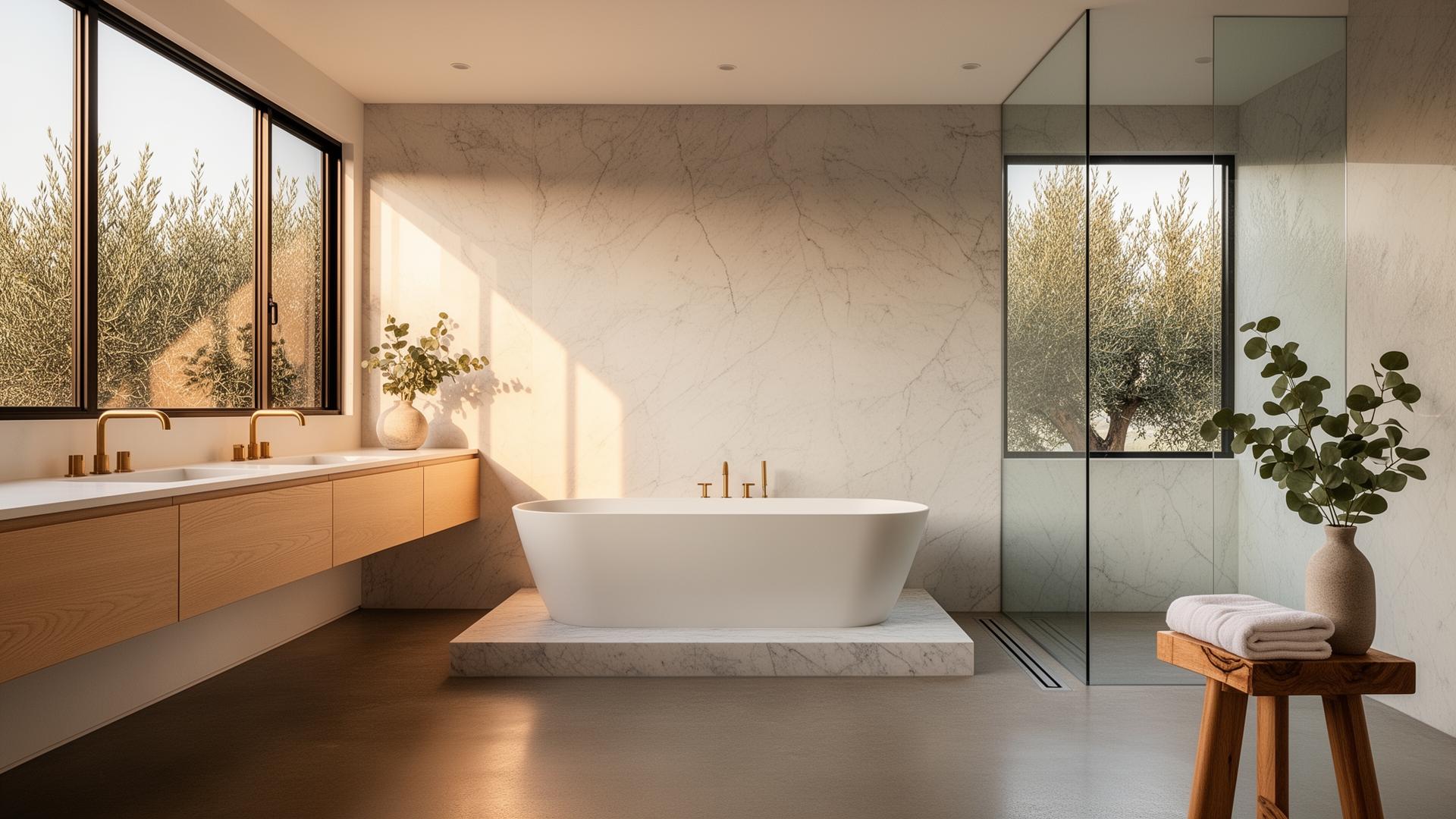
- Finish material selections (cabinets, counters, flooring, tile, fixtures, paint).
- Structural engineering if walls move or you're adding load.
- Title 24 energy compliance documents.
- Full construction drawings.
This is where the most expensive decisions get made — for a fraction of the cost it would be later. Spend time here.
Stage 3: Permits (Week 8–20)
LADBS plan check is unpredictable. A simple permit can clear in 2 weeks; a major structural remodel can take 12+. We submit, respond to corrections, and pull the permit when it's ready. You don't have to think about it — but know that the timeline is partially out of anyone's hands.
Stage 4: Pre-Construction (Week 1–2 before start)
- Final budget review and contract signing.
- Detailed construction schedule (week-by-week).
- Selections finalized and ordered (cabinets typically have 8–14 week lead times — order early).
- Site protection plan: dust barriers, floor protection, access route, dumpster location.
- Where will you live? Most full remodels require moving out for 3–6 months.
Stage 5: Demolition & Rough-In (Week 1–6 of construction)
- Demo: walls, finishes, anything coming out.
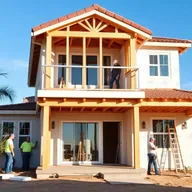
- Framing: new walls, openings, structural changes.
- Rough plumbing, electrical, HVAC inside the walls.
- Insulation and soundproofing.
- Inspections at each phase.
This is the messy, loud part. It also goes the fastest.
Stage 6: Finishes (Week 6–16)
- Drywall, tape, mud, prime.
- Tile installation.
- Cabinets install.
- Countertop template, fabricate, install.
- Flooring.
- Trim, doors, paint.
- Plumbing fixtures, light fixtures, appliances.
- Final mechanical, electrical, plumbing.
This stage feels slow because each trade depends on the previous one. Tile can't go in until plumbing is roughed and inspected. Cabinets can't go in until floors are sealed. Patience pays here.
Stage 7: Punch List & Close-Out (Final 2 weeks)
- Walk-through with you and the project manager.
- Punch list of everything to touch up, adjust, or replace.
- Final cleaning.
- Warranty documents, appliance manuals, paint touch-up kits.
- Final inspection and Certificate of Occupancy.
Typical Whole-Home Timeline
For an average 2,000–3,000 sq ft LA home, plan for:
- Design + permits: 4–6 months
- Construction: 5–9 months
- Total: 9–15 months from first call to move-in
The Single-Contractor Advantage
When design, engineering, permitting, and construction live inside one company, you skip the worst part of remodeling: everyone pointing at someone else when something goes wrong. One team. One schedule. One number to call. One warranty.
Ready to Talk?
Adani Remodeling & Design has handled whole-home remodels across LA for over a decade — design, build, and everything in between. Book a discovery call and we'll walk you through what your project looks like at each stage.
Frequently Asked Questions
- How long does a whole-home remodel take in Los Angeles?
- Most whole-home remodels take 6–12 months from contract signing to keys: 6–10 weeks for design and permits, then 4–8 months of construction. Larger or structural projects can extend to 14–18 months.
- Should I move out during a whole-home remodel?
- Yes, in most cases. Living off-site typically shortens the project by 2–3 weeks, eliminates dust and noise exposure, and lets crews work full days without staging delays.
- What is the difference between design-build and traditional contracting?
- In design-build, the same firm handles design and construction under one contract, reducing miscommunication and change orders. Traditional contracting splits design (architect) from construction (contractor), which works well when you already have plans.
- How do I avoid budget overruns?
- Lock in a detailed scope of work, get a fixed-price contract (not time-and-materials), select all finishes before construction starts, and hold a 10–15% contingency for legitimate hidden conditions in older LA homes.
Adani Remodeling & Design
Licensed California general contractor serving Los Angeles since 2010. Specializing in kitchen, bathroom, whole-home remodeling, ADUs, additions, and water-damage restoration across LA County.
Get a free quote