



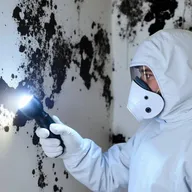
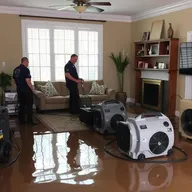
Water damage and mold are the home problems homeowners most often try to handle themselves — and most often regret. By the time you can smell mold or see a stain, the moisture has usually been present for days or weeks, and the affected area extends well beyond what's visible. This guide covers the warning signs, the real remediation process, and why who does the work matters as much as that it gets done.
Why This Matters in Los Angeles
LA homeowners often assume mold is a problem for wet climates. It isn't. Common LA sources:
- Slab leaks under foundations (extremely common in postwar tract homes)
- Hillside seepage during winter rains
- HVAC condensate lines clogged in attics
- Slow under-sink and shower-pan leaks
- Coastal humidity in poorly ventilated bathrooms
- Earthquake-cracked plumbing that drips inside walls
Warning Signs You Should Not Ignore
Visible Signs
- Water stains on ceilings or walls (yellow, brown, or rust-colored rings)
- Bubbling, peeling, or warping paint and drywall
- Buckled or stained baseboards and trim
- Discoloration or visible spots on drywall, especially in corners
- Warped, cupped, or stained hardwood floors
- Efflorescence (white mineral powder) on concrete or stucco
Smell & Air Quality
- Persistent musty or "earthy" smell, especially in closets or laundry rooms
- Smell that gets worse after rain or when HVAC runs
- New or worsening allergy and asthma symptoms inside the home
Bills & Behavior
- Unexplained water bill spikes (often the first sign of a slab leak)
- Hot spots on the floor (slab leak from the hot side)
- Running water sounds when nothing is on
- Low water pressure with no obvious cause
Why DIY Is Risky
Most homeowners hit Home Depot for a moisture meter and a spray bottle of bleach. The problem:
- Bleach doesn't kill mold on porous surfaces. It bleaches the color out — the colony underneath is unaffected and often returns within weeks.
- Cutting drywall without containment spreads spores through the entire HVAC system.
- Drying wet materials in place without dehumidification just moves moisture into other building components.
- Removing visible mold without finding the source guarantees regrowth.
The Professional Remediation Process
A certified remediation company follows a documented protocol — usually the IICRC S500 (water) and S520 (mold) standards:
1. Inspection & Assessment
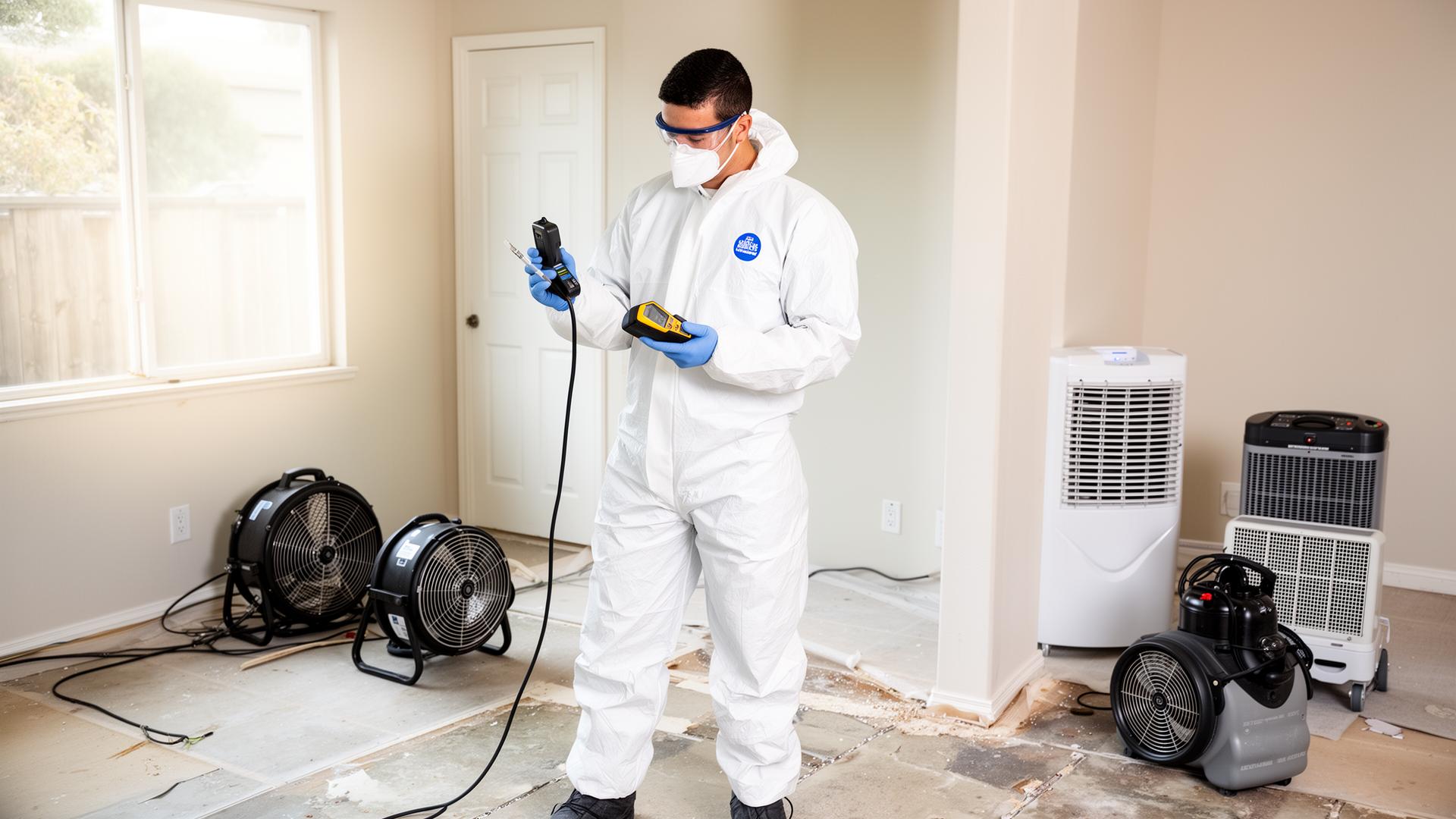
Moisture meters, thermal cameras, and (if needed) air-quality samples identify the full extent of damage. We map every wet building component, not just what you can see.
2. Source Identification & Repair
No remediation starts until the water source is found and fixed. This may mean a plumber, roofer, or stucco repair before mitigation begins.
3. Containment
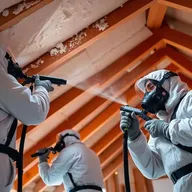
Plastic barriers with zippered entries, negative-air HEPA scrubbers, and sealed HVAC registers prevent cross-contamination during demolition.
4. Removal of Unsalvageable Materials
Wet drywall, insulation, baseboards, and finish materials with active mold growth are cut back to dry, sound substrate and removed in sealed bags.
5. Structural Drying
Commercial air movers and dehumidifiers run for 3–7 days, monitored daily, until moisture readings return to baseline.
6. Cleaning & Antimicrobial Treatment
HEPA vacuuming, surface cleaning, and EPA-registered antimicrobial application on all remaining materials.
7. Post-Remediation Verification
Independent third-party air and surface sampling (recommended on Category 3 jobs) confirms clearance before rebuild begins.
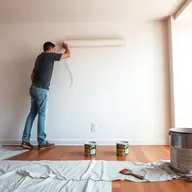
8. Reconstruction
Drywall, insulation, paint, and trim restored. The wall looks like nothing happened.
Why IICRC Certification Matters
The Institute of Inspection, Cleaning and Restoration Certification (IICRC) is the industry standard. Certified firms:
- Follow a documented, repeatable protocol
- Carry the right insurance for biohazard work
- Generate documentation insurance carriers accept
- Stand behind their work with measurable clearance criteria
Insurance companies routinely deny claims when work was done by uncertified contractors. Before signing anything, ask for IICRC certification numbers and proof of liability coverage that covers mold work specifically.
What It Costs
Typical LA mold remediation runs $2,500–$10,000+ depending on the affected area and Category (1: clean water, 2: greywater, 3: blackwater/contaminated). Major slab-leak remediation with reconstruction can exceed $25,000.
If You Suspect a Problem, Don't Wait
Every day moisture sits in a wall, the affected area roughly doubles. Adani Remodeling & Design is IICRC-certified and handles water damage and mold remediation across Los Angeles — emergency response, full restoration, and reconstruction. See our water damage and mold remediation services, or call us 24/7.
Frequently Asked Questions
- How quickly does mold grow after water damage?
- Mold can begin growing within 24–48 hours of water exposure. Drying the area completely within that window and addressing the moisture source is the single most important step to prevent remediation.
- Will insurance cover mold remediation in Los Angeles?
- Most homeowner policies cover mold caused by a sudden, covered event (like a pipe burst) but exclude mold from gradual leaks or maintenance issues. Document the damage immediately, file a claim, and request your policy's mold coverage cap in writing.
- Can I remove mold myself?
- Small surface mold (under 10 sq ft) on non-porous surfaces can be cleaned with detergent and water. Anything larger, anything porous (drywall, insulation), or any mold tied to ongoing moisture requires professional, certified remediation.
- How long does professional water-damage restoration take?
- Most LA water-damage projects take 3–7 days for drying and remediation, plus 1–3 weeks for reconstruction (drywall, paint, flooring). Larger losses with structural damage can extend timelines significantly.
Adani Remodeling & Design
Licensed California general contractor serving Los Angeles since 2010. Specializing in kitchen, bathroom, whole-home remodeling, ADUs, additions, and water-damage restoration across LA County.
Get a free quote